
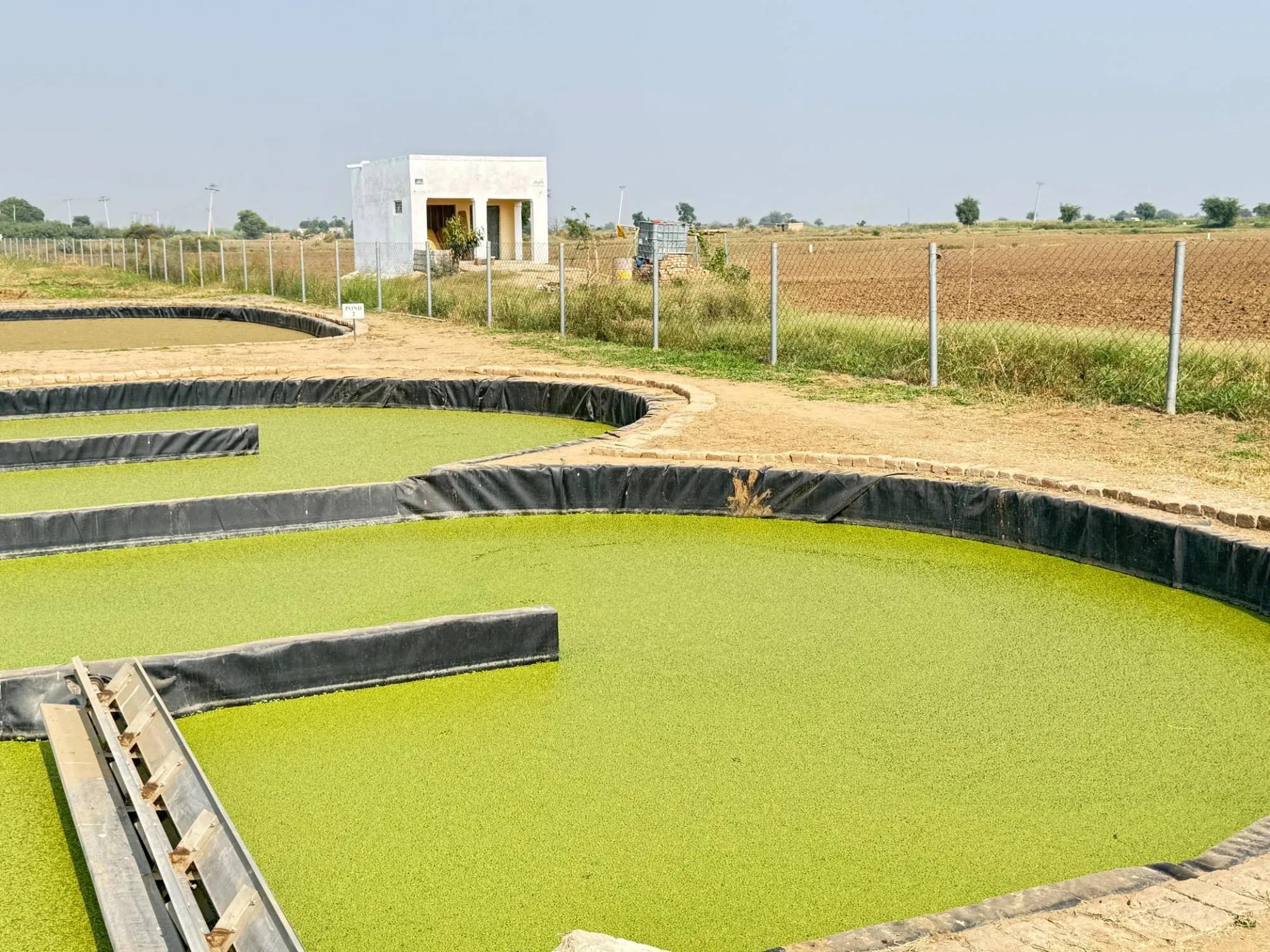
Pakistan importsits feed protein.We grow ours.
پاکستان کی مچھلیوں کے لیے، پاکستان میں اُگایا گیا پروٹین
GreenFin fish feed is built on duckweed we grow on our own raceways outside Islamabad. No fishmeal. No soy. Protein grown here, not shipped in.
- No fishmeal
- No soy
- Grown in Pakistan
- Doubles in 2–3 days
- Up to 40% protein
- On trial at 6 universities
- ZarZaraat 2025 winner
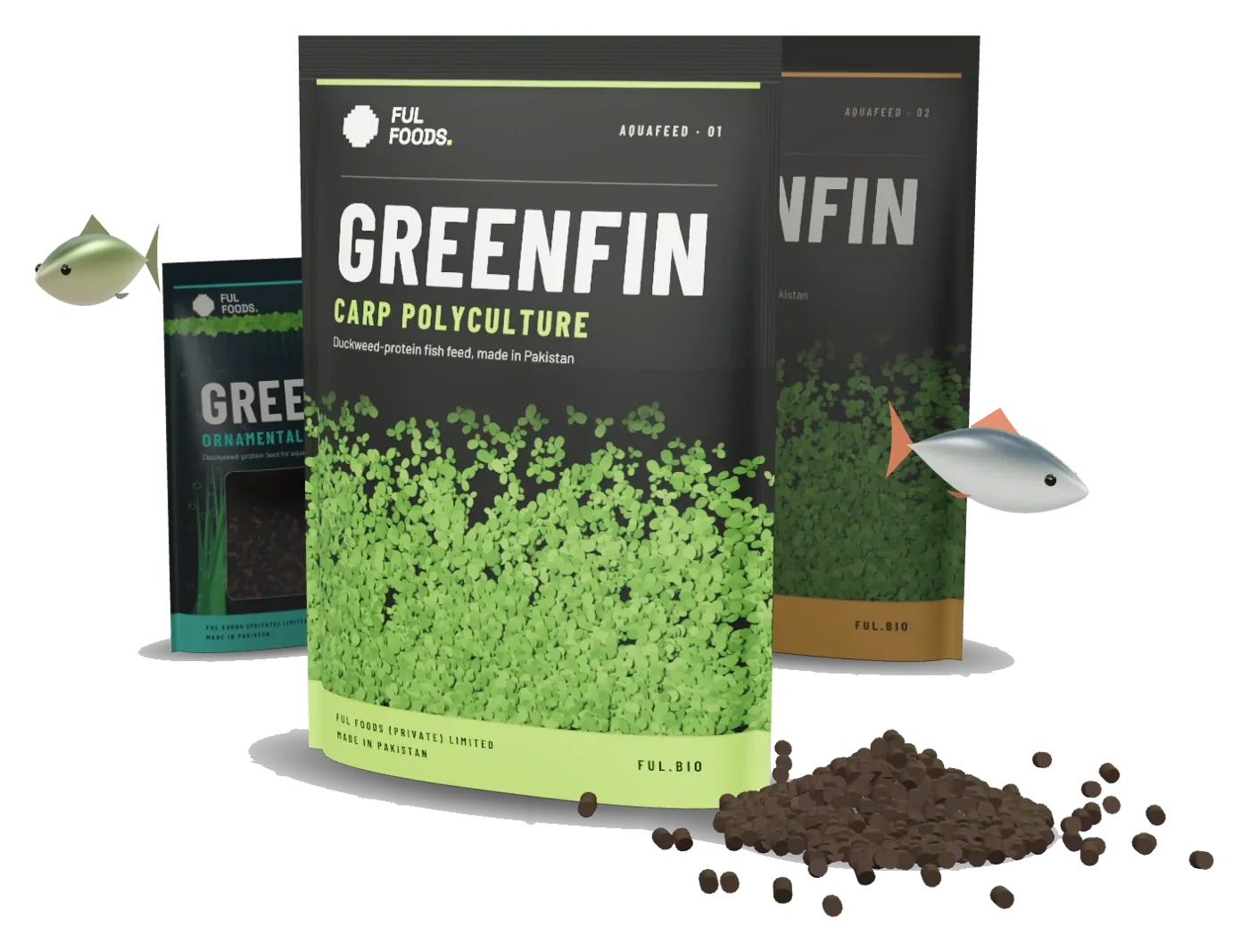
Feed for every fish you farm.
Five feeds, one homegrown protein, all coming soon. Pick your fish and spin the pack.
Pack designs shown in 3D.
GreenFin Carp Polyculture
Rohu, thaila, mori, grass carp and silver carp
Built for mixed carp ponds, the backbone of fish farming in Pakistan. One pellet for every carp in the water.
GreenFin Tilapia
Tilapia in ponds, tanks and cages
Made for a fish that grows fast and is stocked dense, so it needs protein it can count on.
GreenFin Catfish
Pangasius, magur and other catfish
A protein-rich pellet for hungry, fast-growing catfish. Clarias catfish is already eating GreenFin in trials at GCU Lahore.
Duckweed Aquafeed
Any fish, any pond
Our all-round duckweed pellet. It isn't tuned to one species, so it costs a little less.
GreenFin Ornamental
Goldfish, koi and aquarium fish
Small pellets for aquariums and garden ponds, in a smaller pack.
-
Protein grown in Pakistan
Duckweed from our own raceways outside Islamabad, not soybeans shipped across an ocean.
-
Up to 40% crude protein
In our dried duckweed, dry basis, across lab-tested batches.
Measured by a third-party laboratory on a specific sample. -
No fishmeal. No soy.
GreenFin replaces both with duckweed protein.
Straight from the ponds.
On sale now: the duckweed itself, dried or live.
-
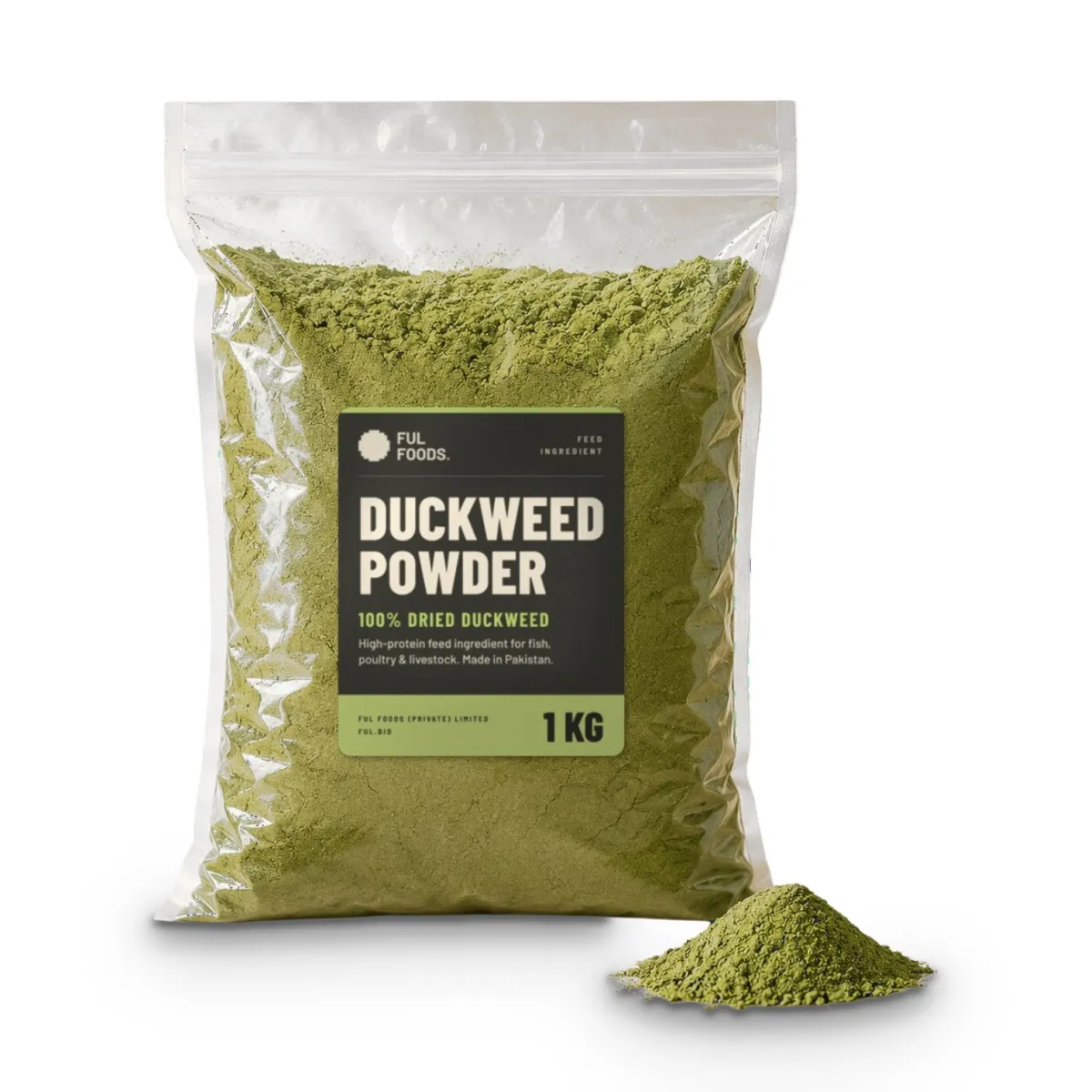
Duckweed Powder
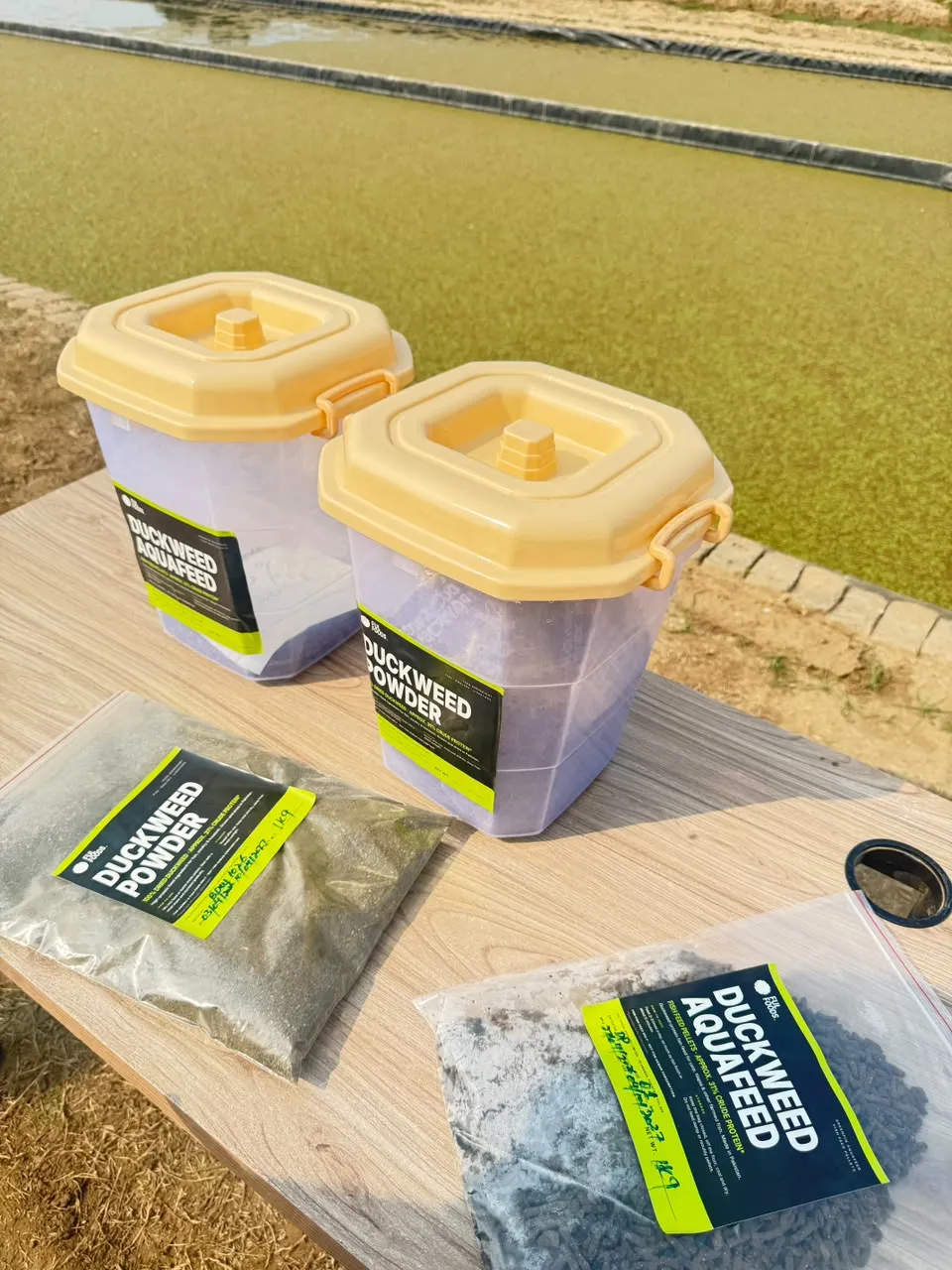
100% dried duckweed, ~31% protein, 250 g to 1 kg
A high-protein feed ingredient for fish, poultry and livestock, straight from our raceways.
Buy on Daraz -
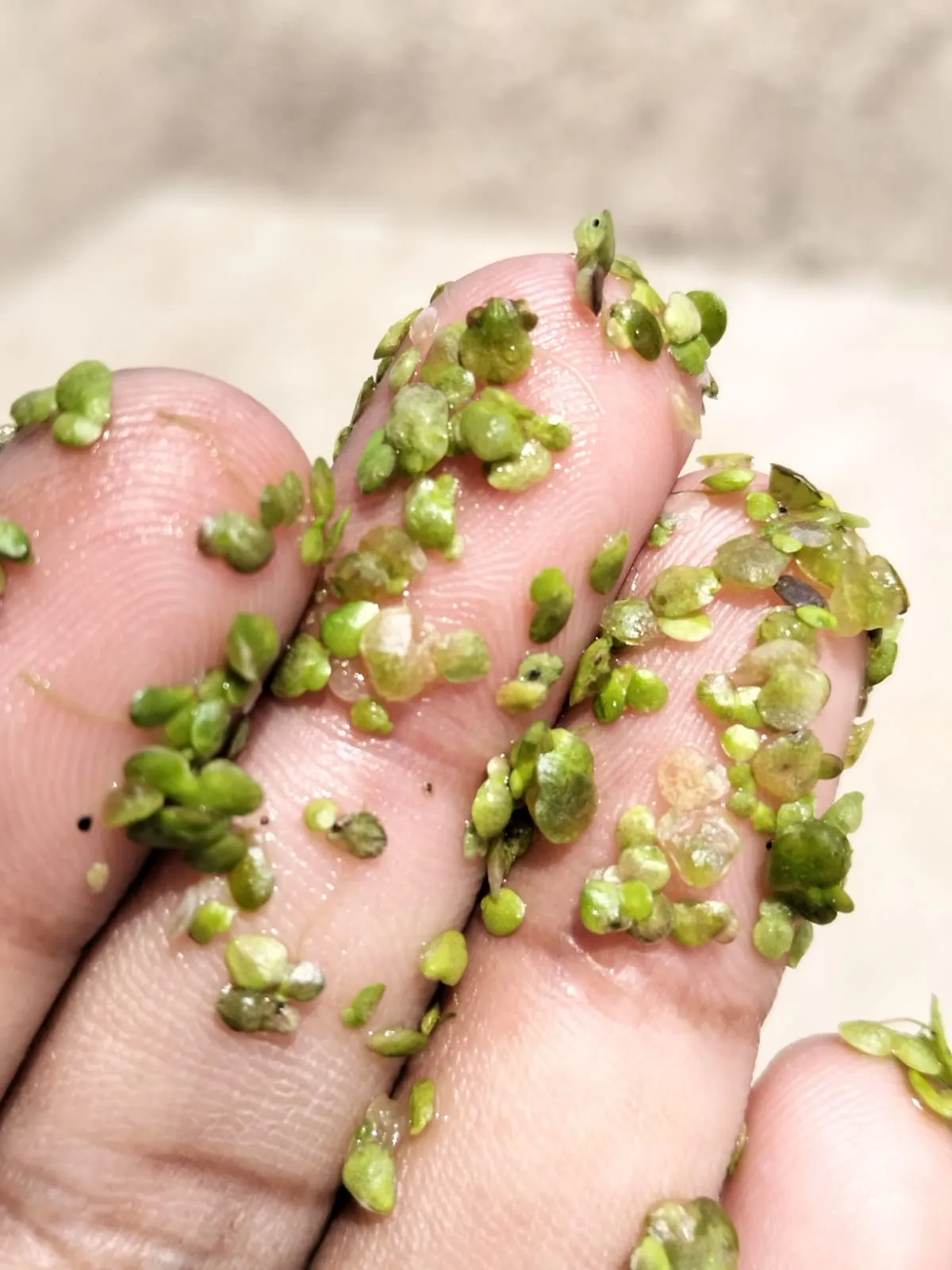
Live Duckweed
Starter packs, 25 to 1,000+ plants
Live Lemna for aquariums, ponds and growing your own. It doubles in days.
Order on WhatsApp
Watch it double.
Duckweed is one of the fastest-growing plants on Earth. On our raceways a covered surface doubles in two to three days. Tap the water to drop in a few fronds, then harvest the way we do: take most of the mat and leave enough to regrow.
- Days on the water
- 0
- Surface covered
- 0%
- Fronds
- 0
Sped up about 100,000 times. Each doubling stands for about two and a half days.
Pakistan imported more than two million tonnes of soybeans in 2024–25, most of it for animal feed, all of it paid for in dollars before it reaches a single pond. Duckweed grows right here, on water, and doubles in days.
Source: Dawn, 1 June 2026
From pond to pellet
-

Grow
Duckweed spreads across shallow raceways lined with black HDPE. A paddlewheel keeps the water moving and a solar borewell keeps it topped up.
2–3 days
to double a covered surface
-
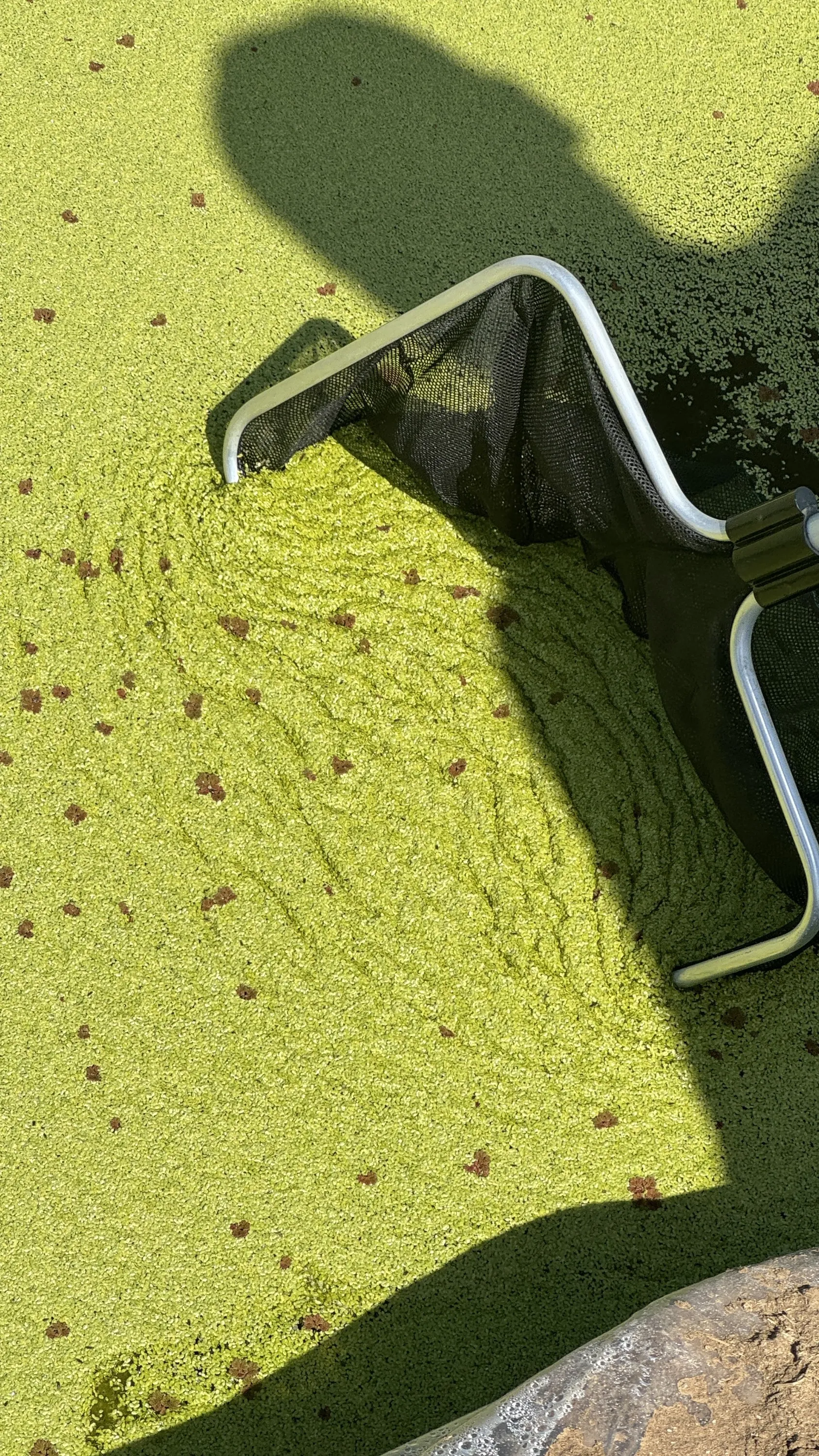
Harvest
We harvest straight off the surface, check every pond for pH, temperature, colour and pests, and let the mat grow back.
Again and again
we skim the mat and leave enough to regrow
-
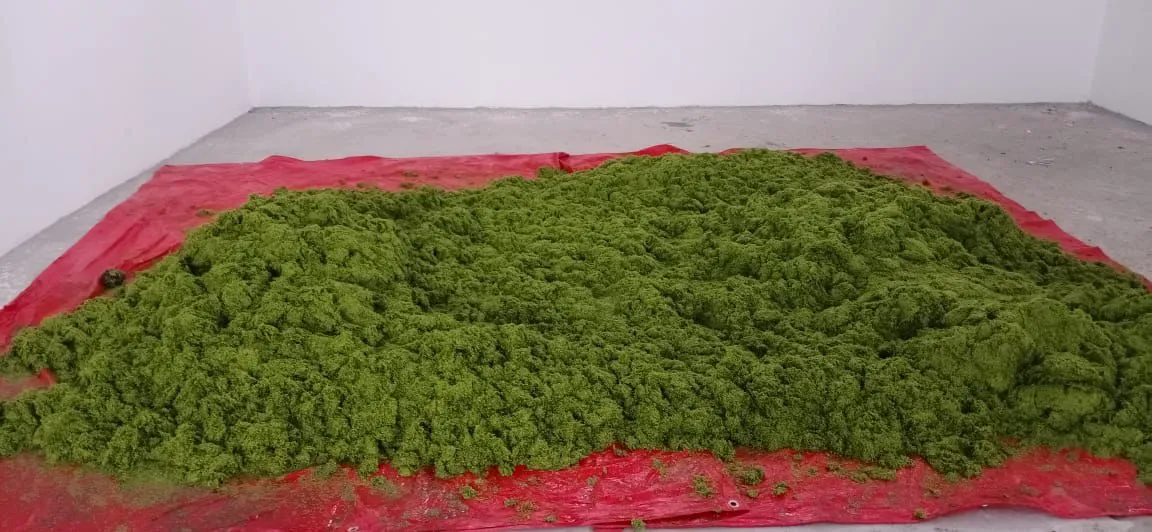
Dry
Fresh duckweed is about 90% water. Drying it locks the protein into a meal that keeps and travels.
Up to 40%
crude protein once dried (dry basis, lab tested)
Measured by a third-party laboratory on a specific sample. -
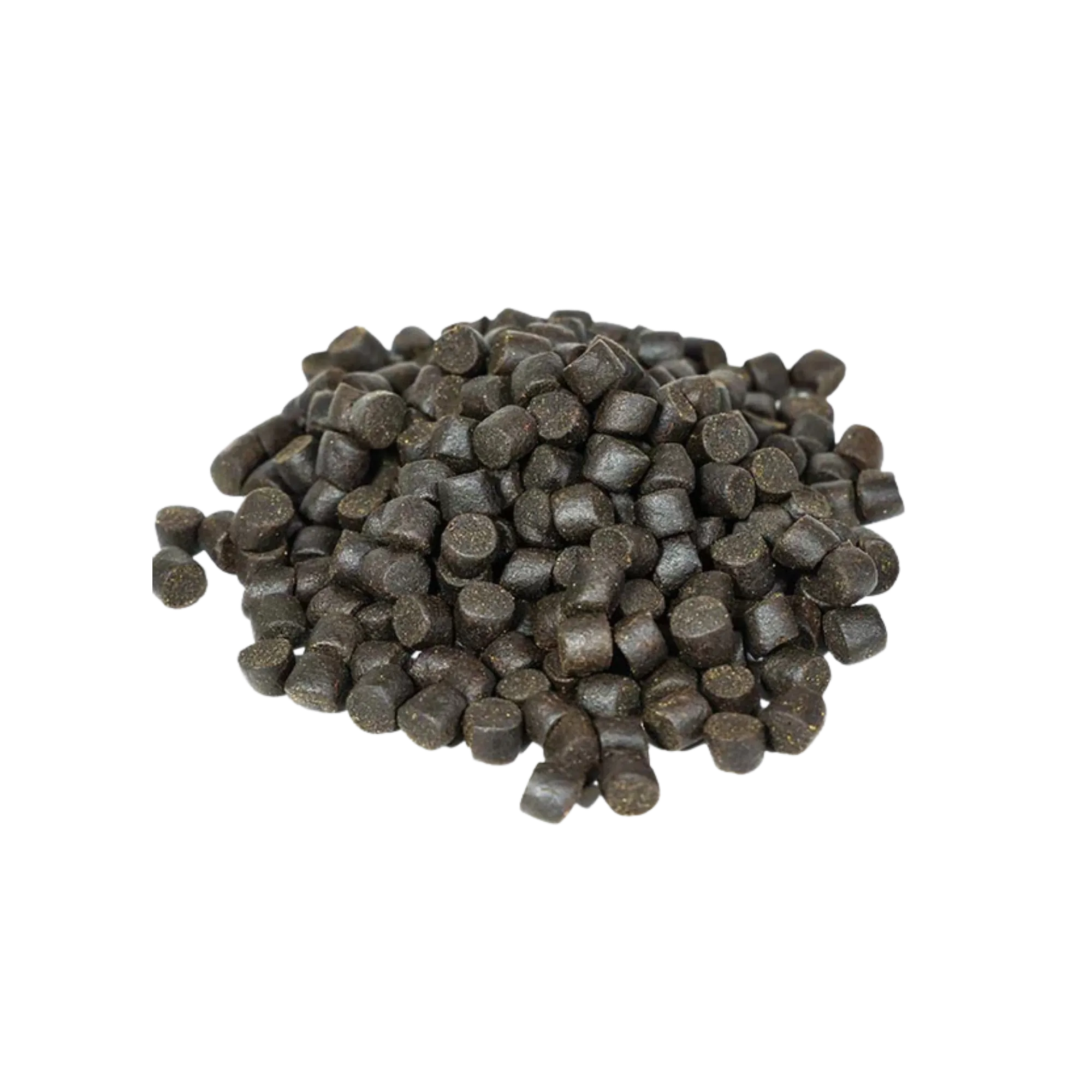
Pellet
The meal is formulated and pressed into GreenFin pellets, ready for the pond.
~31%
crude protein in GreenFin pellets
Measured by a third-party laboratory on a specific sample.
Walk the raceways.
Three years of growing duckweed in the open near Islamabad, through Punjab heat and monsoon storms. This is where GreenFin starts.
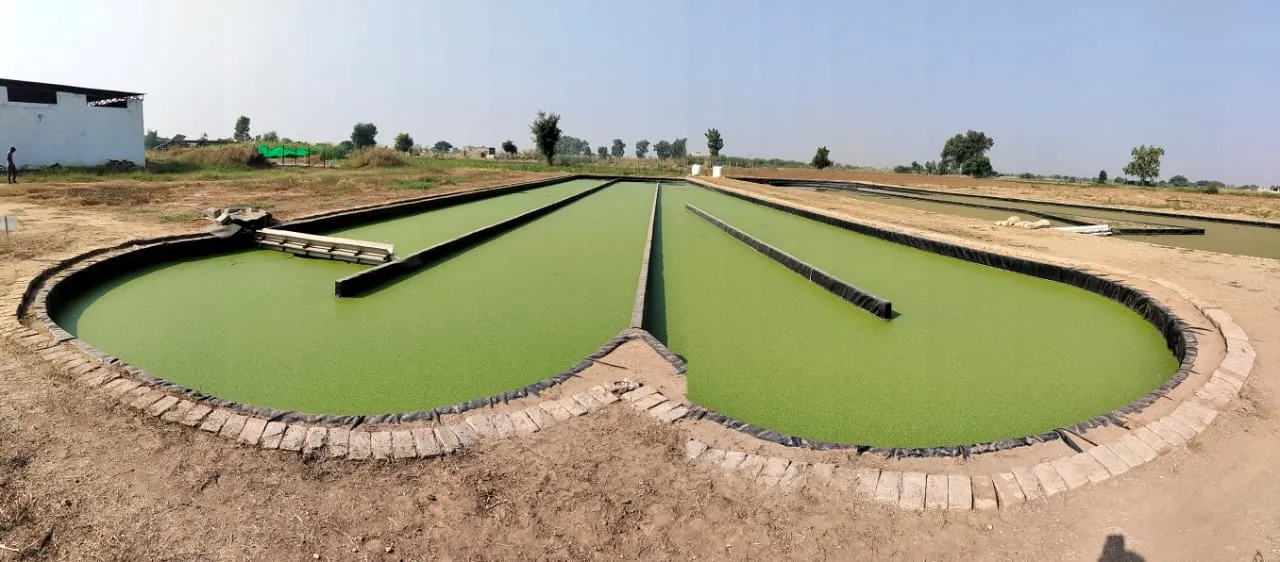
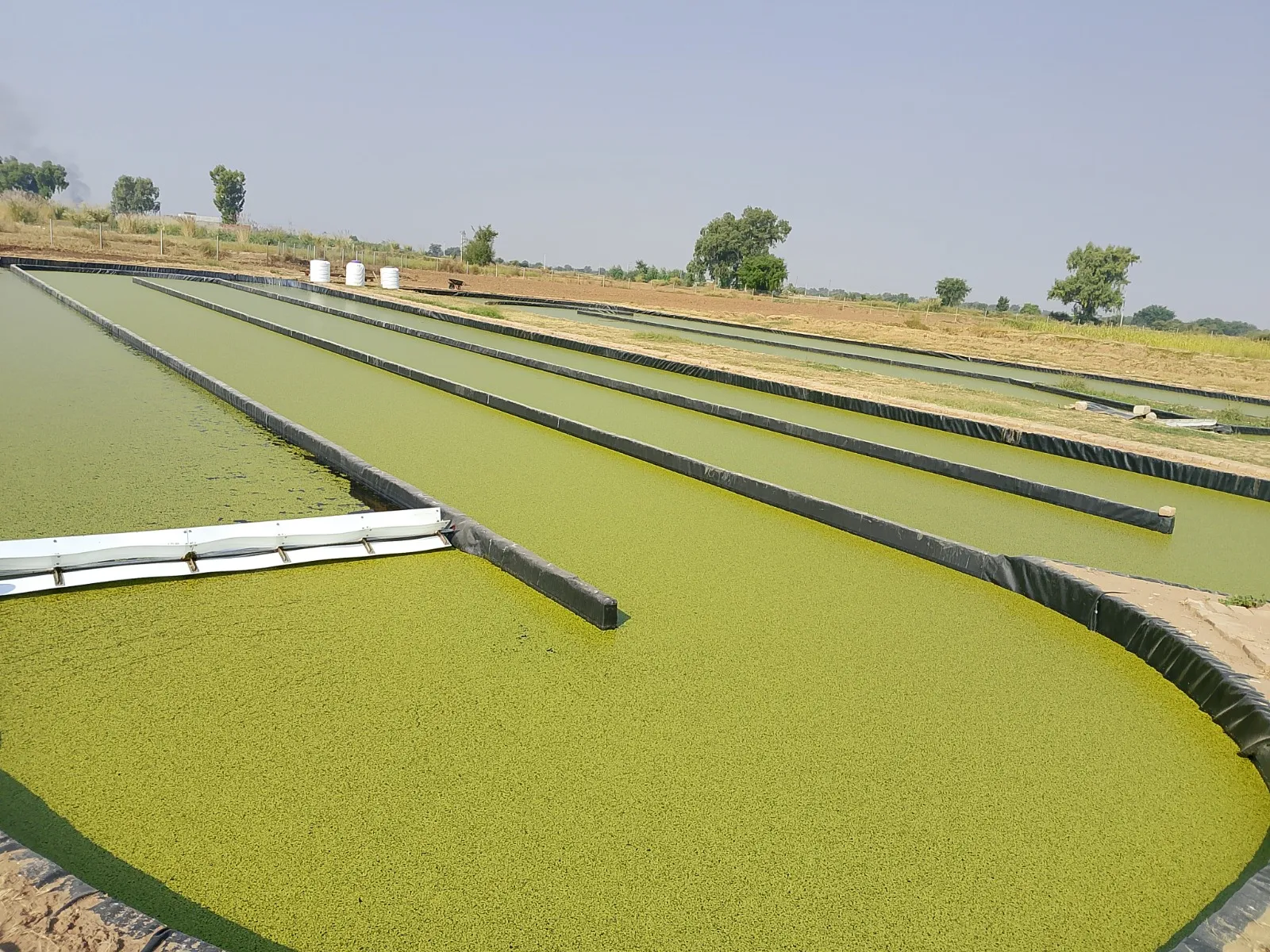
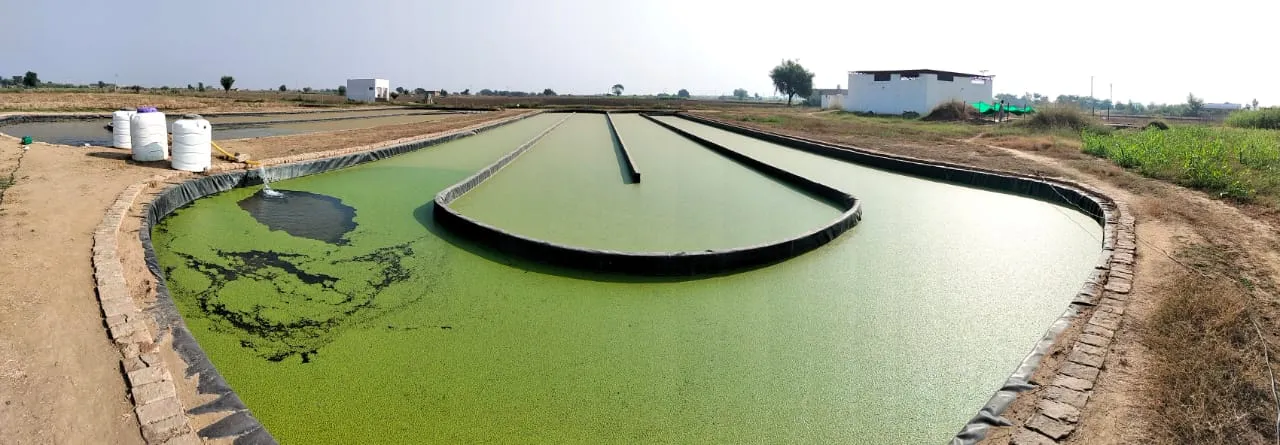
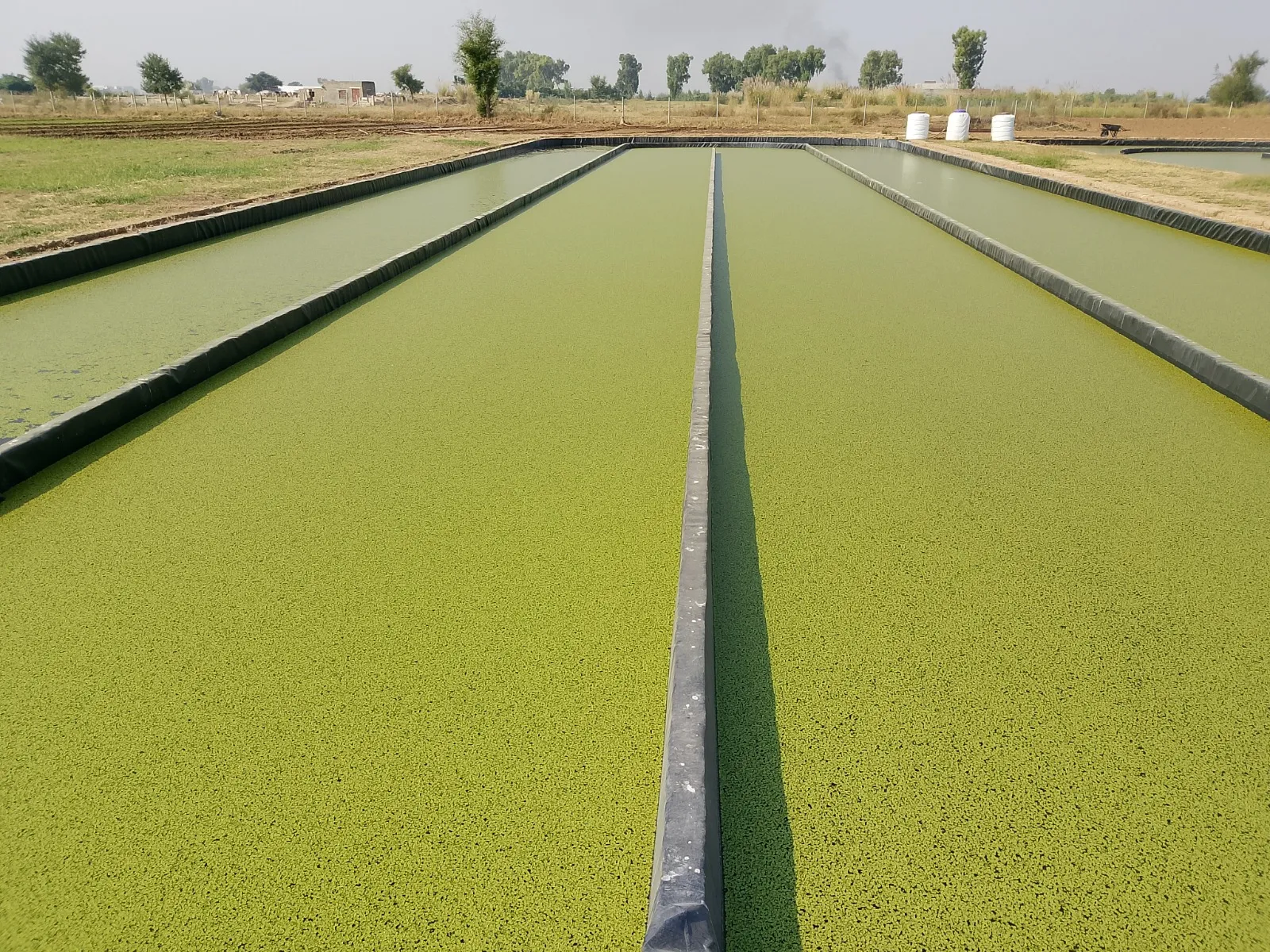
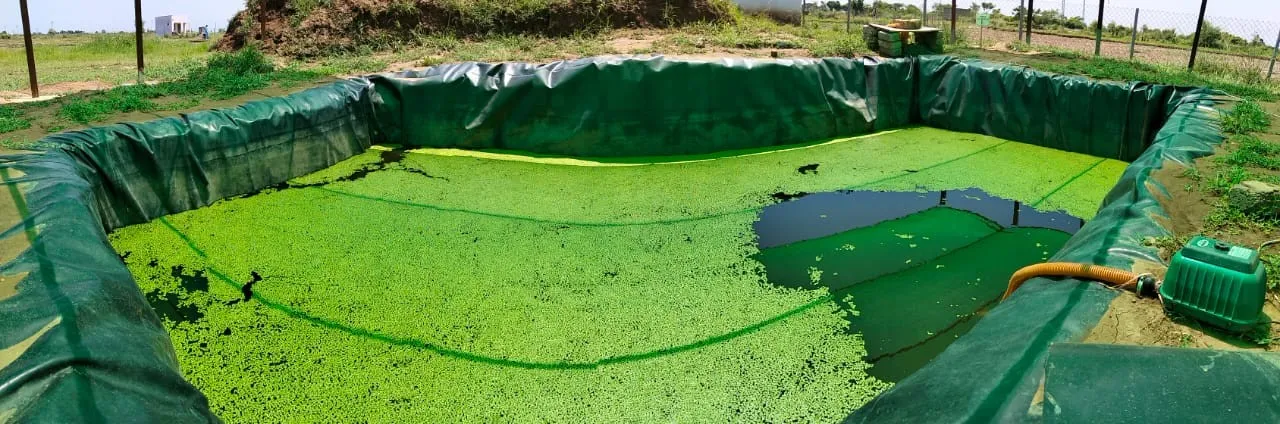
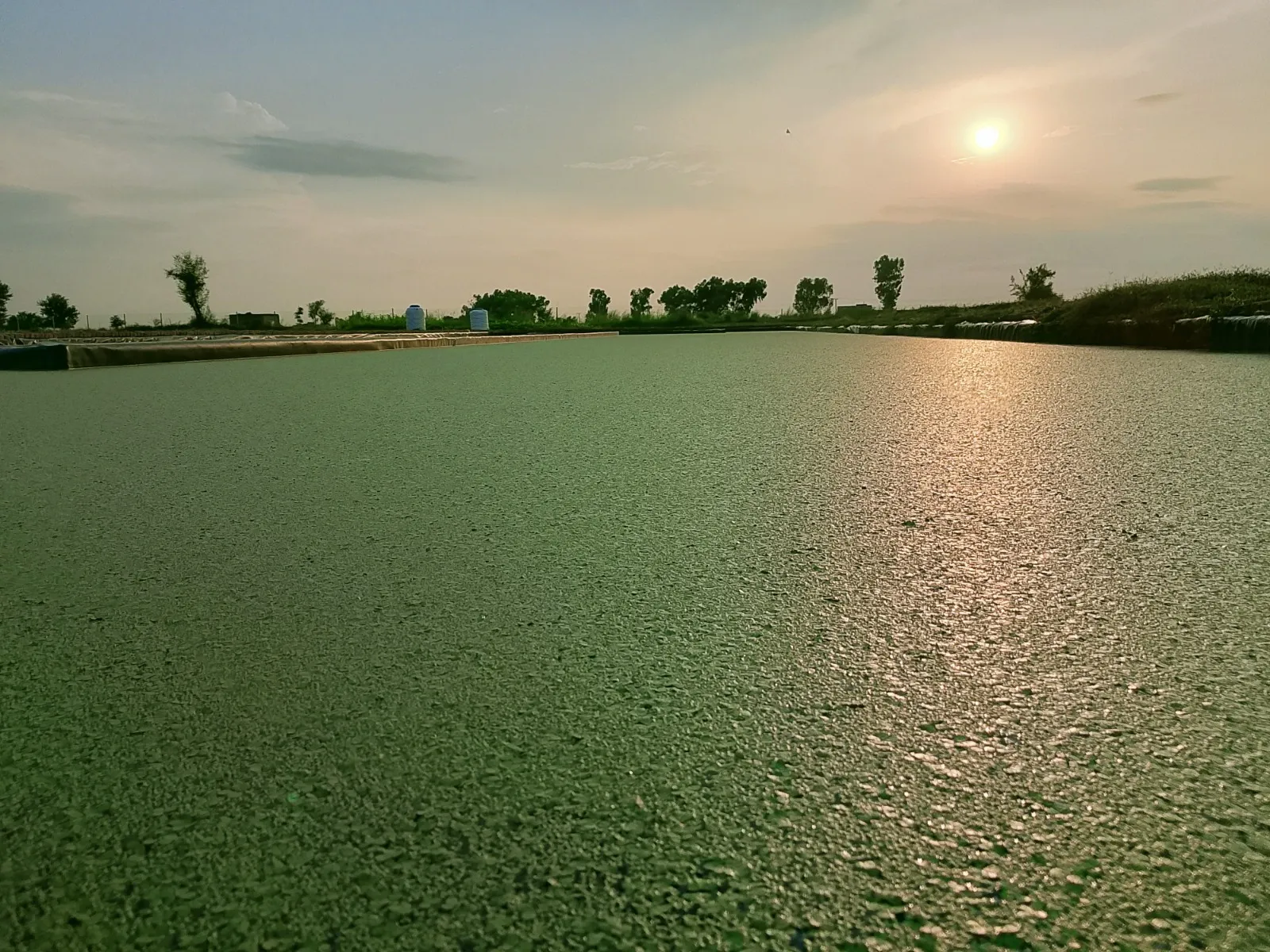
- Raceways
- 2
- Open water
- ≈16,000 sq ft
- Liner
- Black HDPE
- Circulation
- Paddlewheel
- Water
- Solar borewell
Your water. Our feed.
Got ponds or a dam? We team up with fish farms, pond owners and dam operators to grow more fish from the water they already have, with homegrown feed, hands-on expertise and better management.
You bring the water
Ponds, a dam or a reservoir, and the people who run them.
We bring feed and know-how
GreenFin, feeding and stocking plans, water-quality management and support on site.
We measure it together
Growth, survival and feed use, recorded and shared with you.
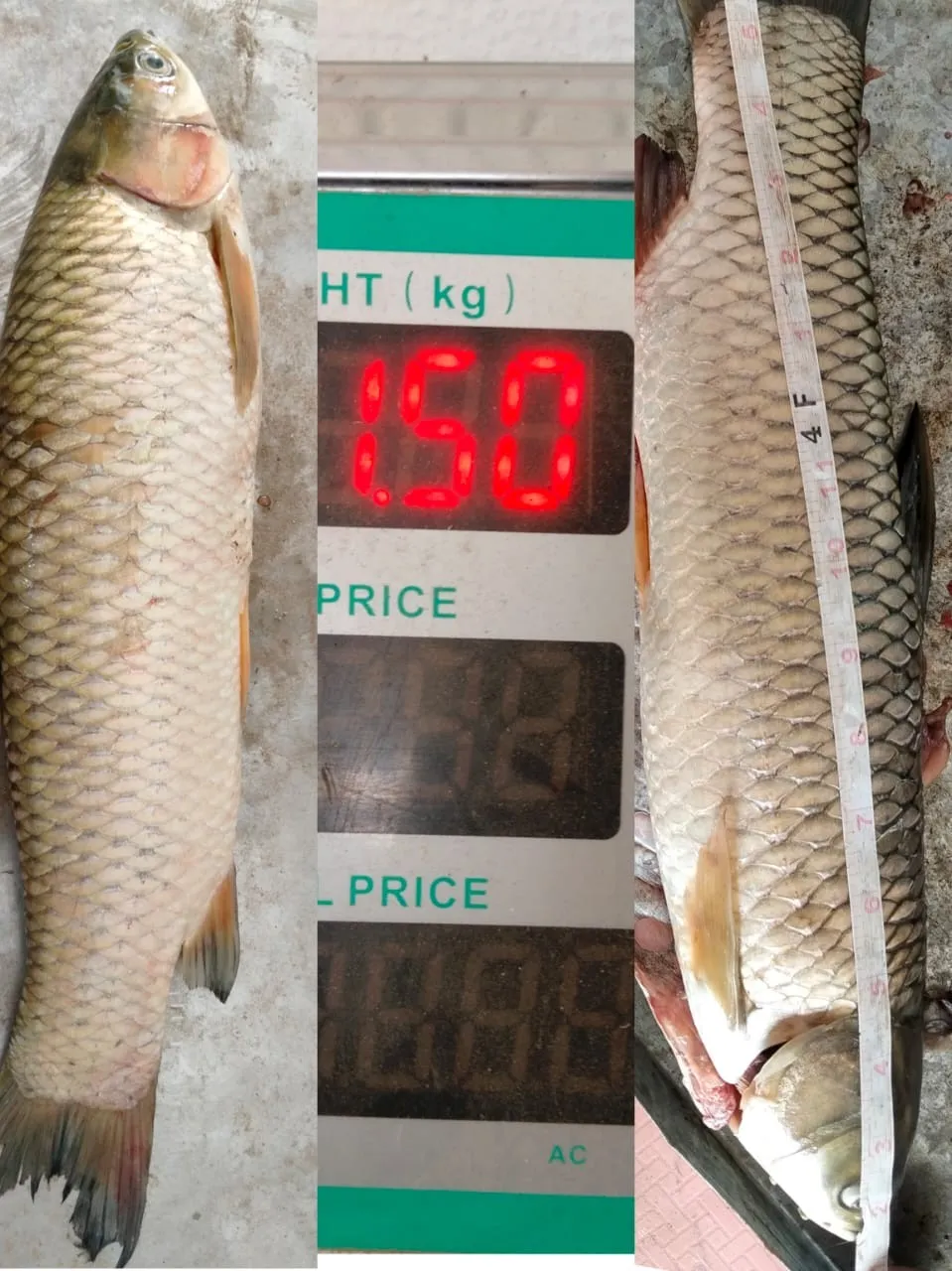
Rohu that grew fifteen-fold on duckweed.
Rohu stocked at about 100 g in our duckweed ponds reached up to 1.5 kg in roughly four months, and silver carp went from 20 g to 800 g. We didn't buy a single bag of feed for them.
Seen on our own ponds near Islamabad.
six universities are feeding it to fish right now.
GreenFin is in feeding trials across Punjab and Sindh, from GCU and UVAS in Lahore to SBBUVAS Sakrand and SAU Tandojam, on catfish, tilapia, rohu, grass carp and mrigal.
See every trialSchematic of the Indus and its tributaries. Positions are approximate.
Feeding trials and research with
-
 GCU Lahore
 -
 UVAS Lahore
 -
 SBBUVAS Sakrand
 -
 Sindh Agriculture University Tandojam
 -
 University of Sindh Jamshoro
 -
 University of Okara Okara
 -
 PMAS-Arid Rawalpindi
Recognised and featured by
-
 Winner ZarZaraat 2025
 -
 Semi-finalist The only team from Pakistan
 -
 ARY News Featured
 -
 TechJuice Featured
 -
 Pakistan Observer Featured
 -
 Radio Pakistan Featured